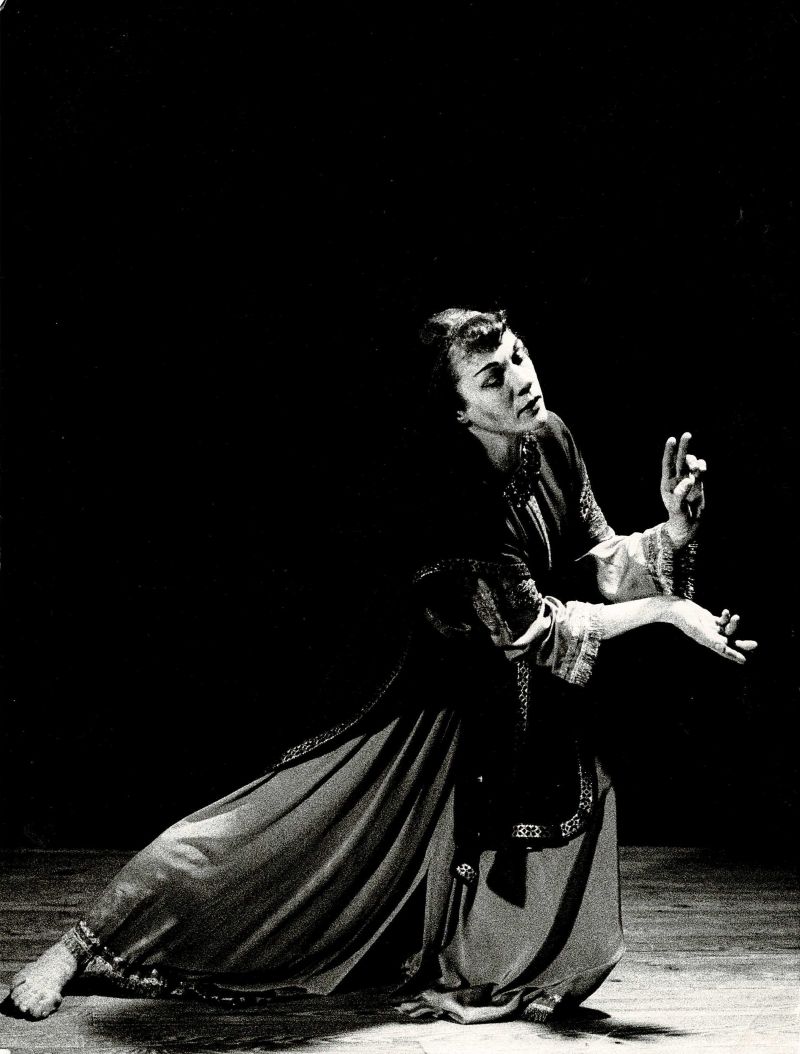
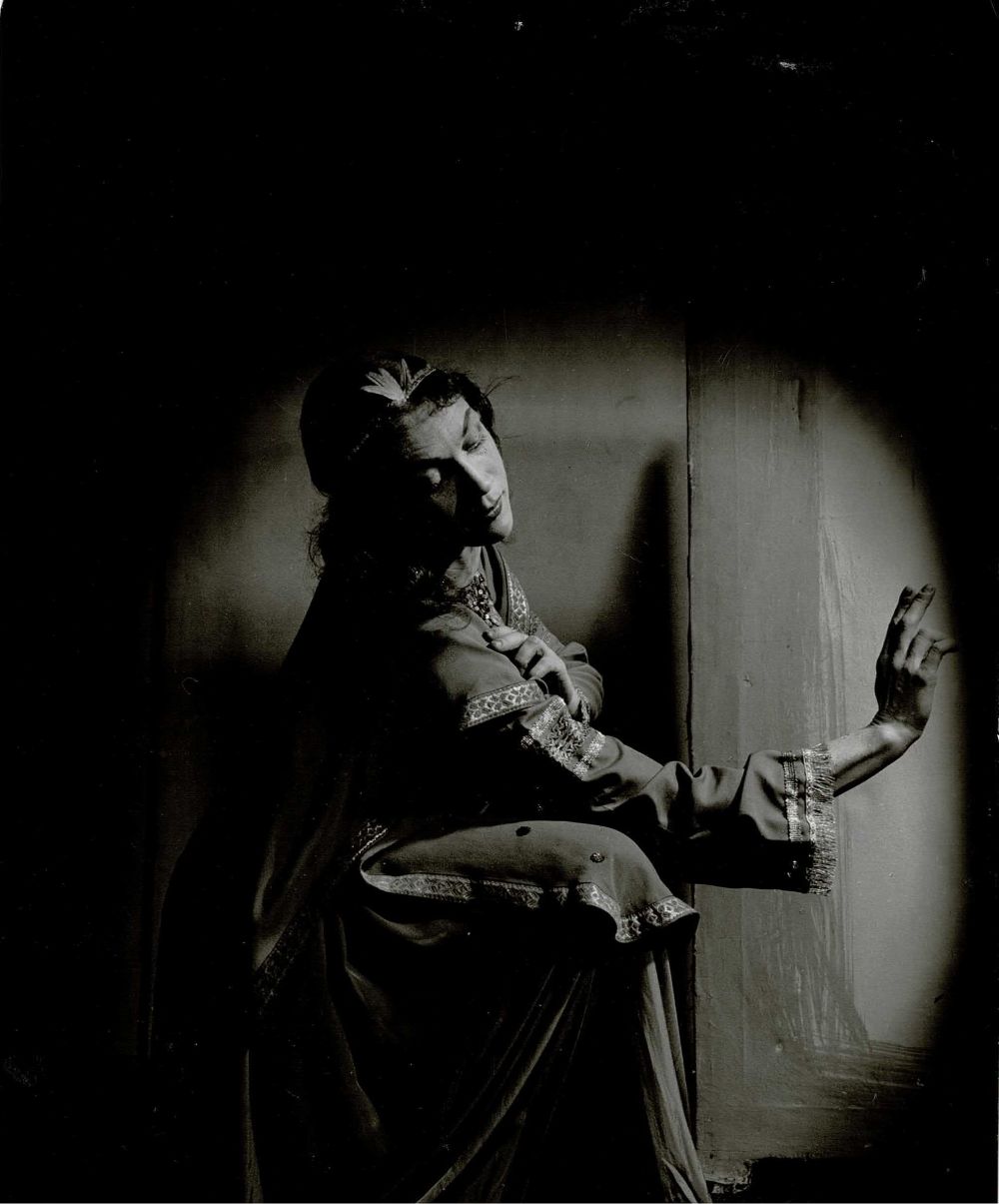
Marion Junaut
Marion Junaut was a Swiss dancer and choreographer. She was born in 1928 and died in Neuchâtel at the age of 85. In her hometown, she ran her own dance academy while simultaneously pursuing an international career that took her primarily across Europe. She performed predominantly as a soloist—including in London, Athens, Siena, and Paris. In her performances, she combined influences and techniques from various dance disciplines.
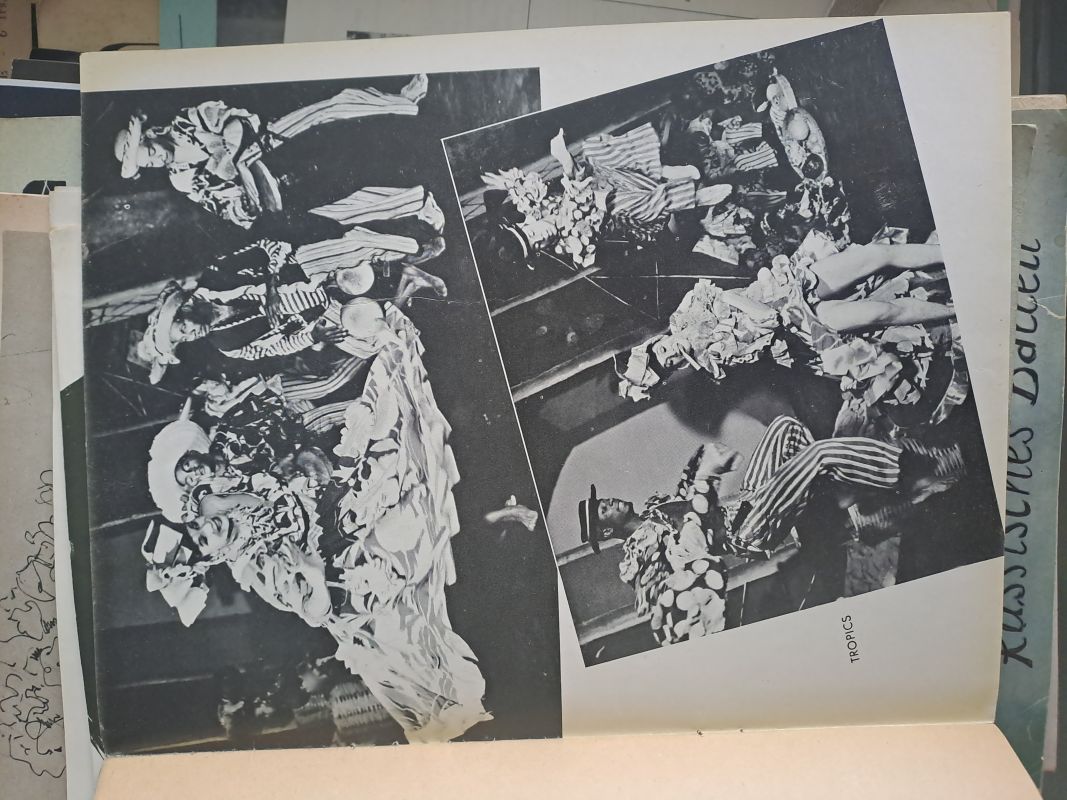
At the age of just 15, Marion Junaut earned her first dance diploma at the Sauerbeck School in Bern. She then continued her classical dance training with Léo Staats, Director of the Conservatoire de chorégraphie in Paris, and with Olga Preobrajenska. She studied acrobatics with André Guichot. She was introduced to the "danse typique noire" by former members of Katherine Dunham's dance company. This term, used by Marion Junaut, reflects the perceptions and attributions typical of that era.
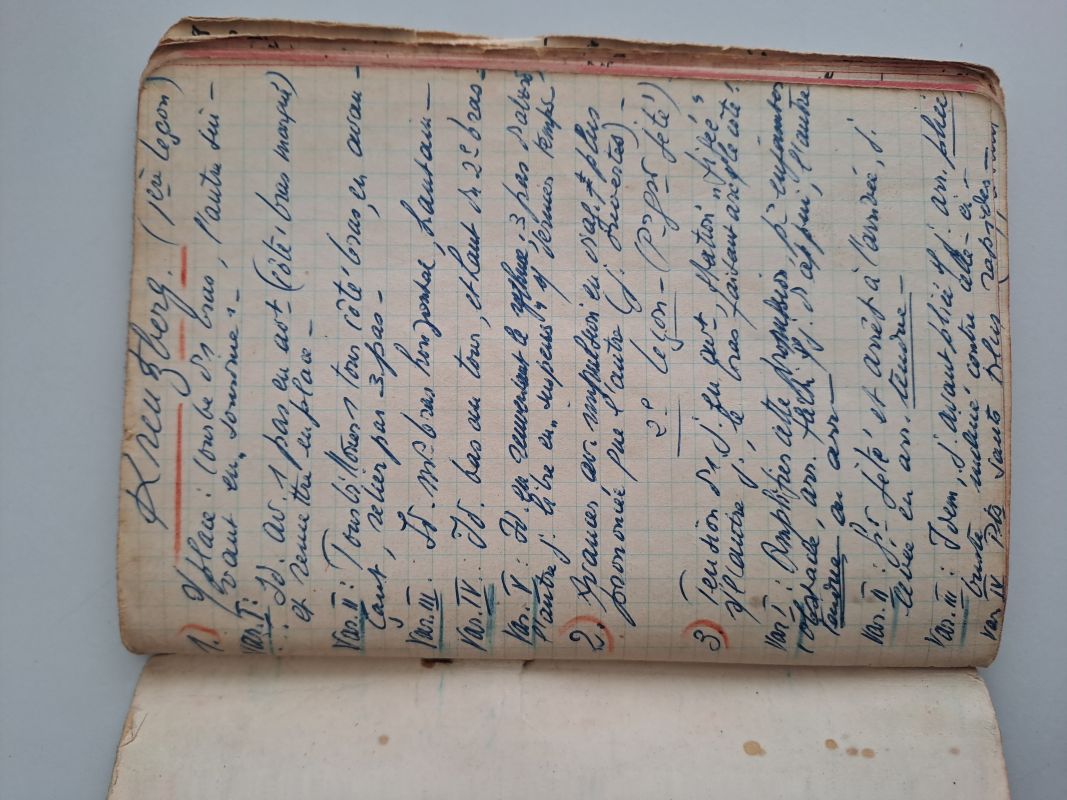
In addition, she repeatedly completed training courses in Italy in the dance form then known as "free dance" with Clotilde and Alexandre Sakharoff and deepened her knowledge of modern dance with Harald Kreuzberg. Further studies focused on pantomime, the Graham technique, and Russian and Polish folklore. Marion Junaut performed as a dancer until 1986 and taught at her academy until 1992.
The Marion Junaut Collection
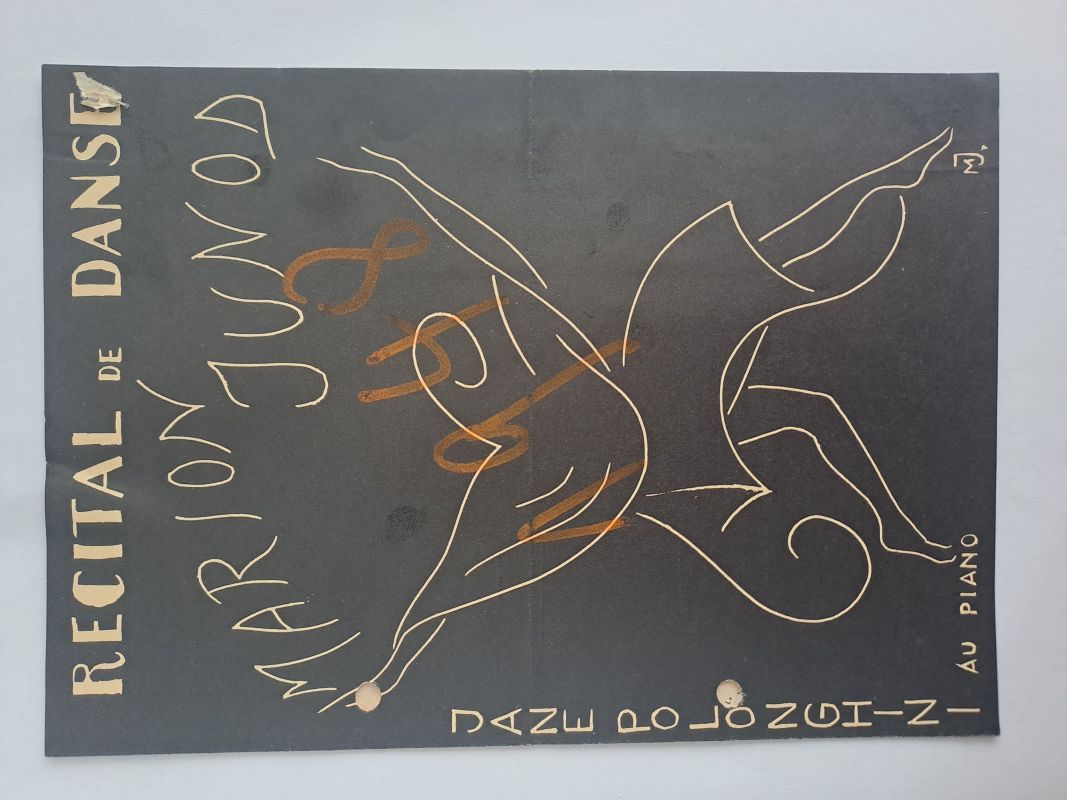
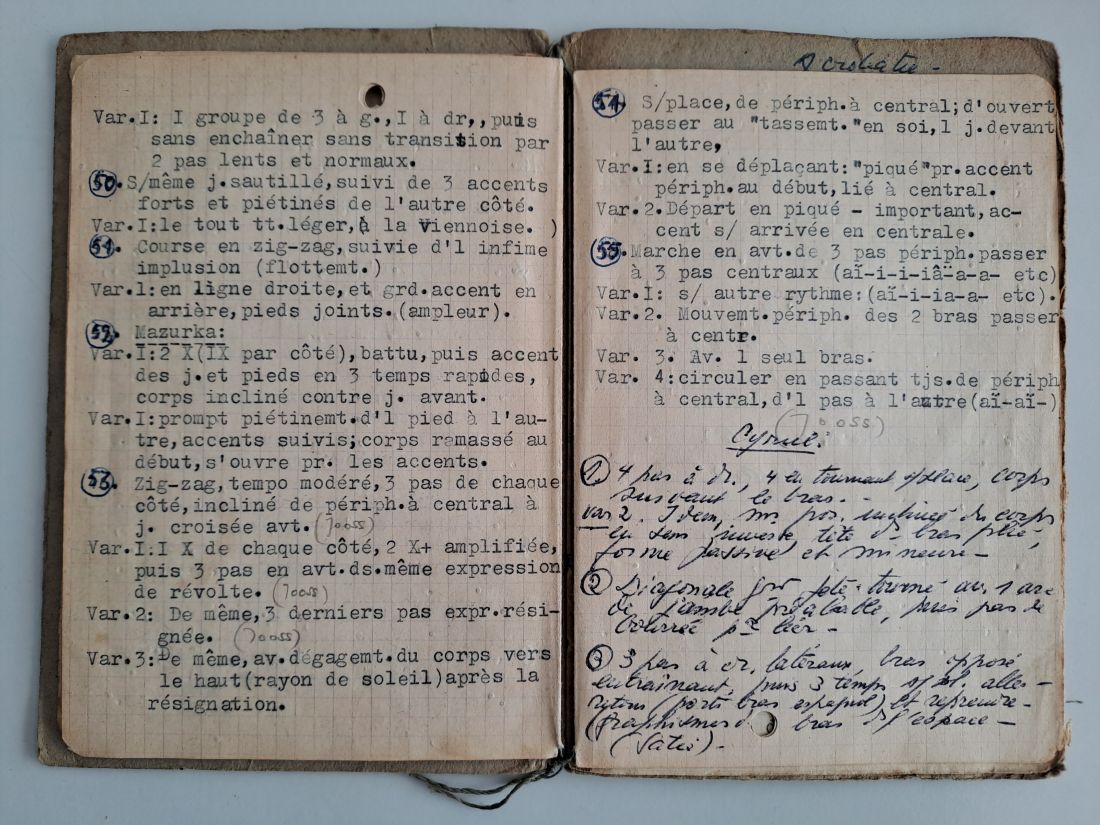
In 2016, the SAPA Foundation acquired the collection of Marion Junaut. It comprises a wide variety of documents: black-and-white photographs and films showing Marion Junaut performing her repertoire, correspondence, press clippings compiled by her, programmes from her dance recitals, and her own writings on dance. Her writings reveal a committed, strong, and uncompromising personality.
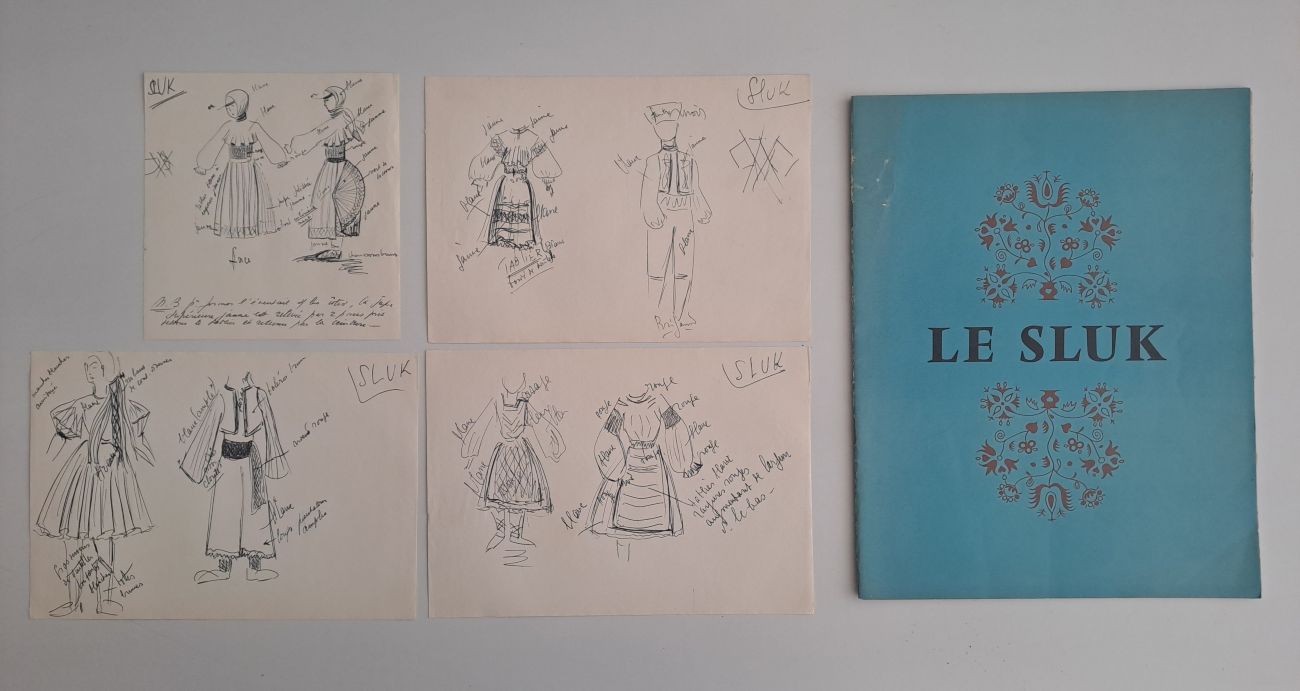
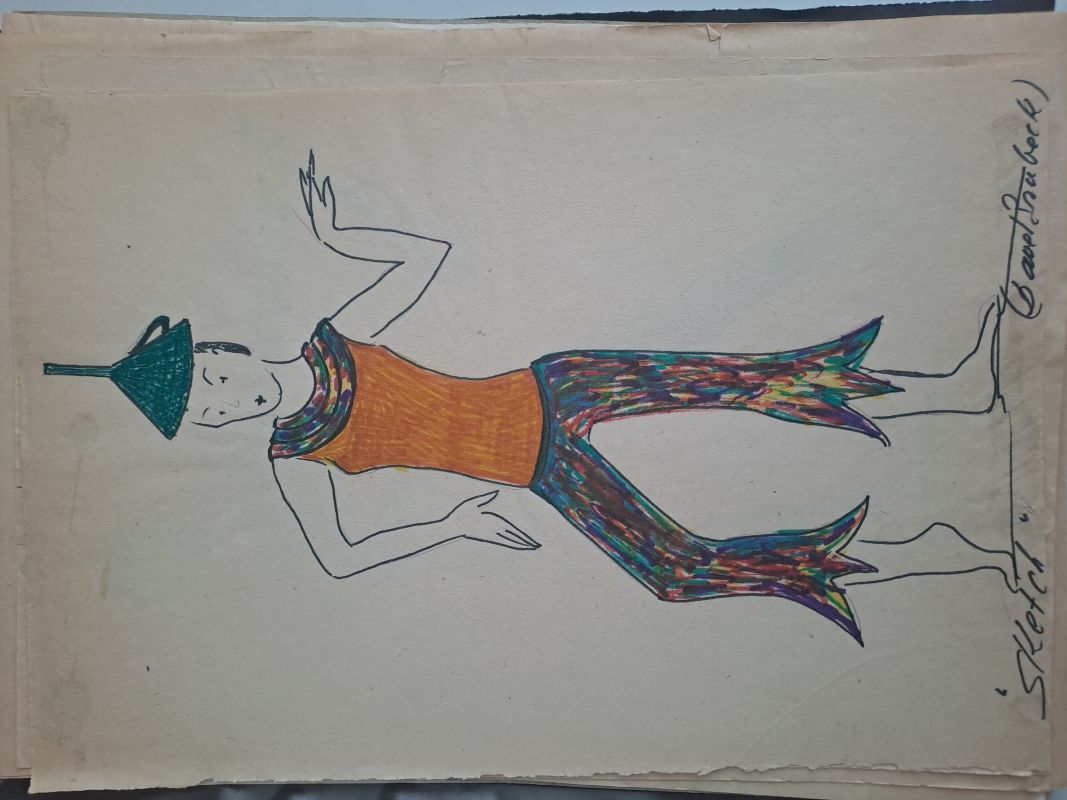
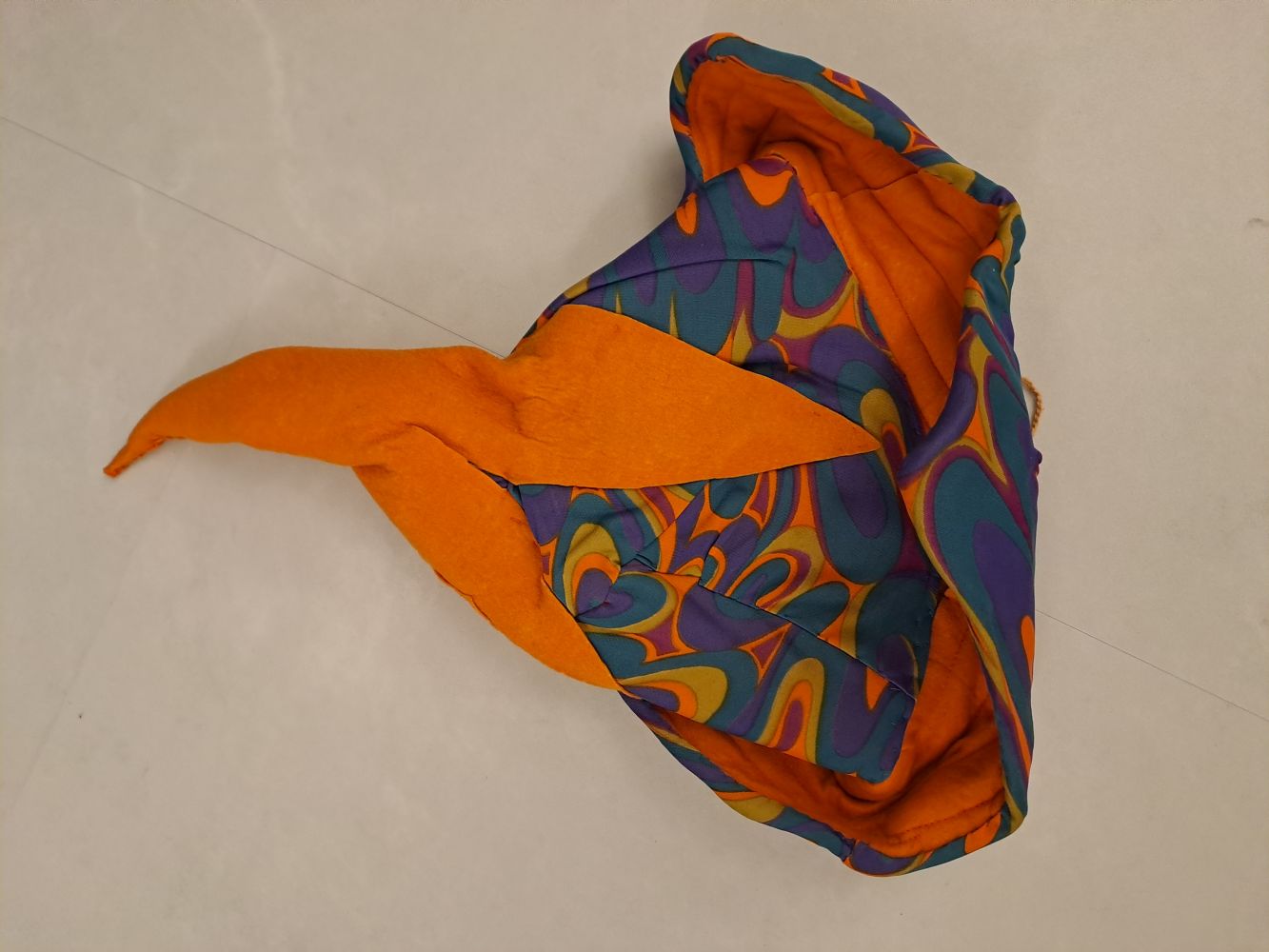
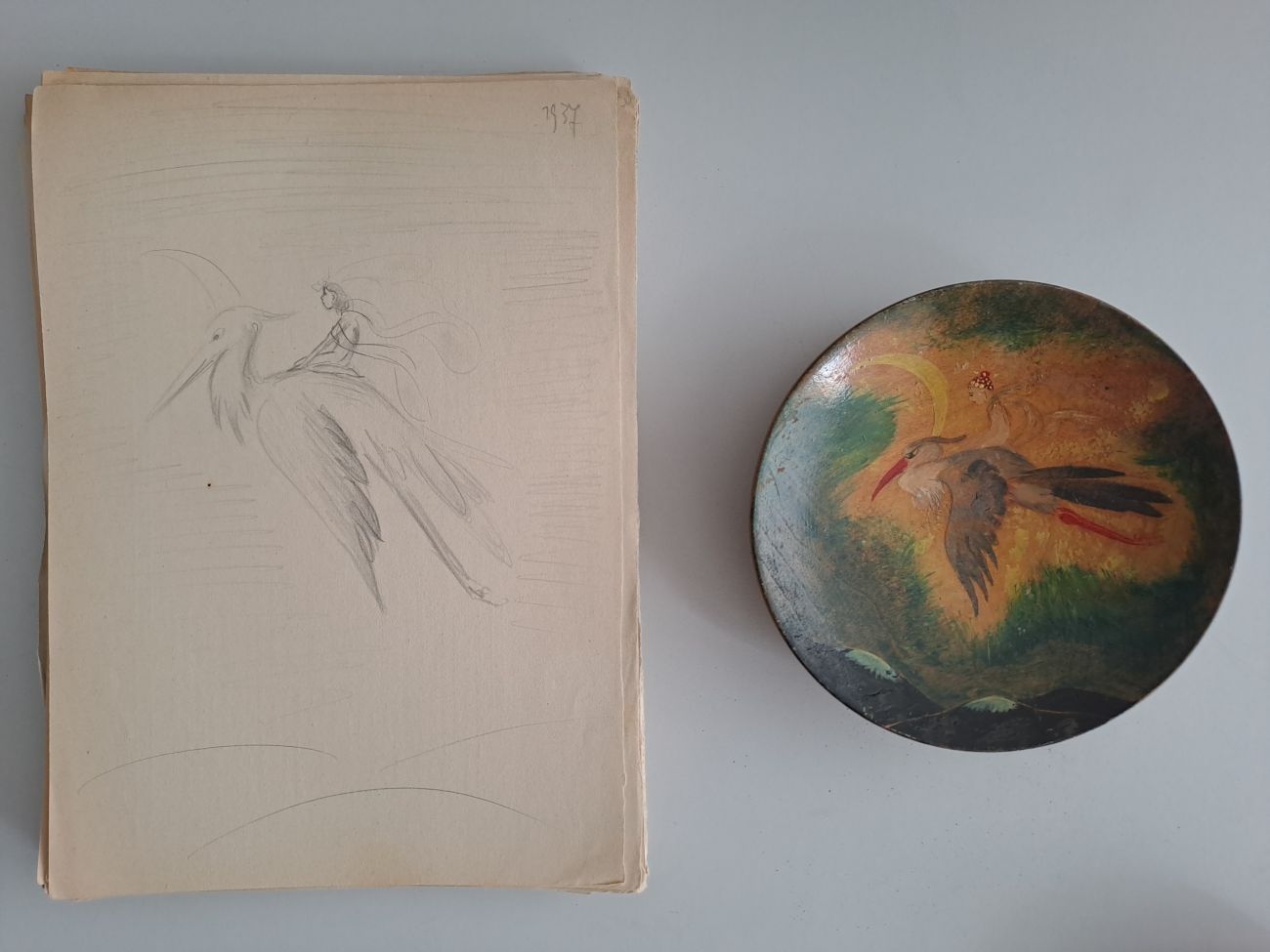
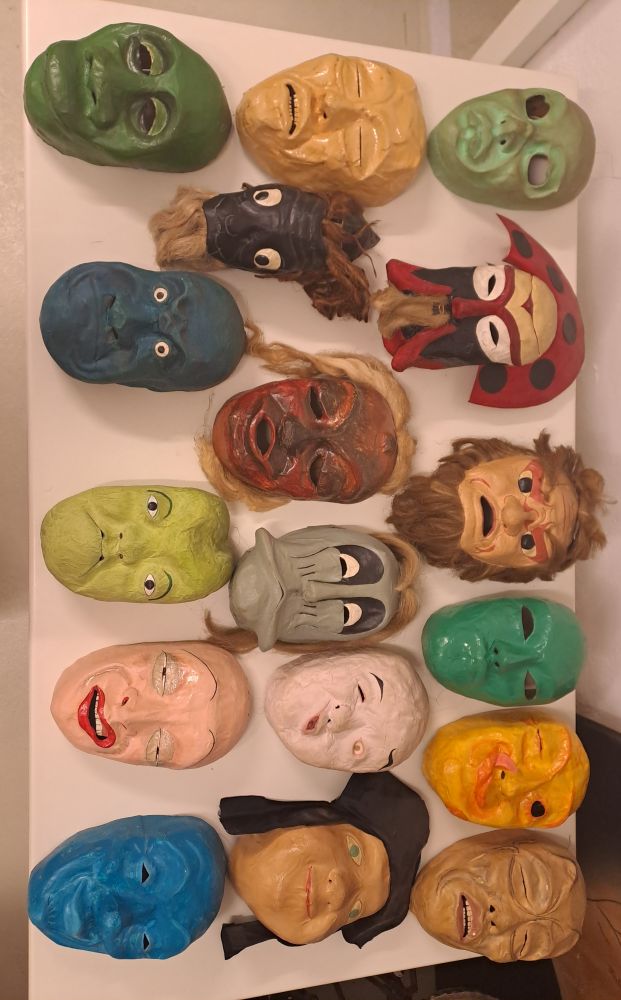
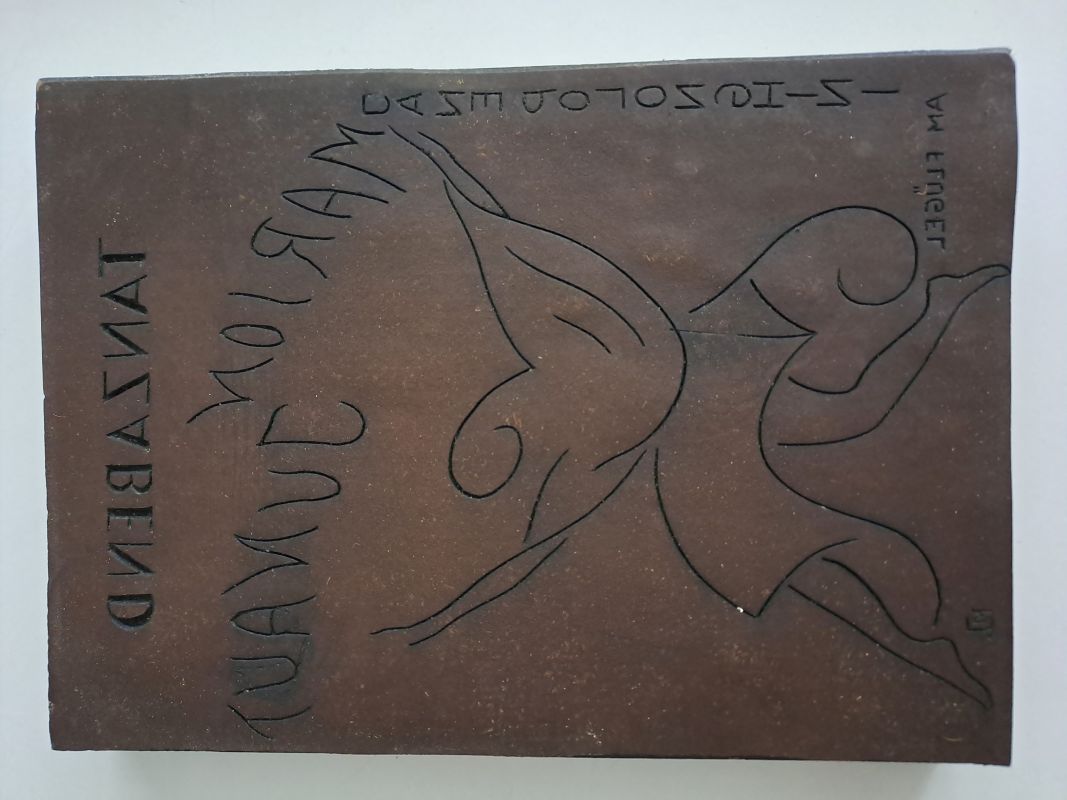
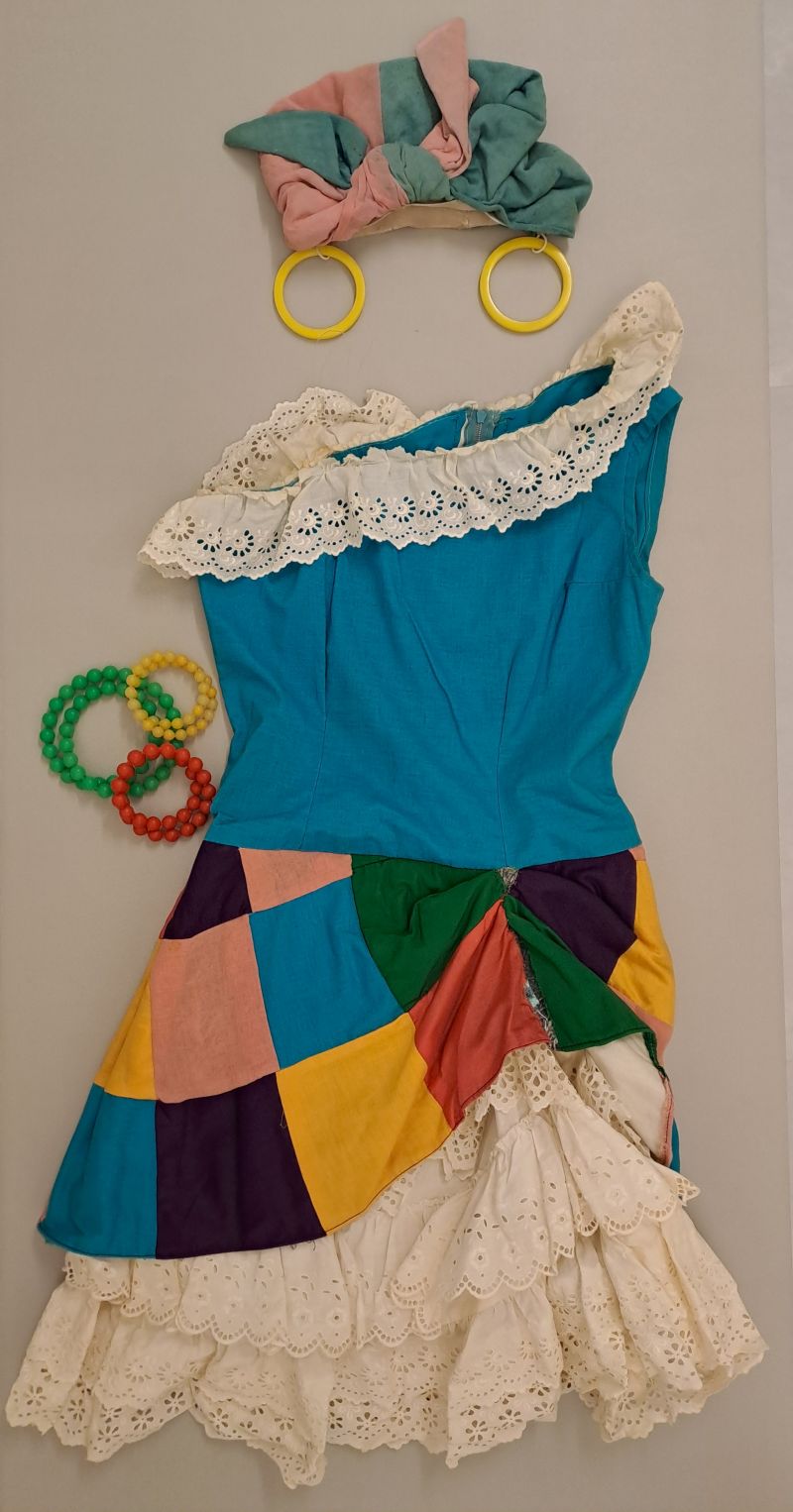
The collection also documents Marion Junaut's work as a versatile artist. This includes painted wooden objects, linocuts, stage costumes, and masks that she exhibited or wore during her performances, as well as more than 1,000 drawings and sketches. These bear witness to her exceptionally early talent for drawing historical clothing and traditional costumes. Later, she turned her attention to lines, forms, and movements, as well as the costumes from her repertoire. The designs provide a direct insight into her research and development process.
The Marion Junaut collection is distinguished by its high quality and exceptional diversity. The individual components relate to one another, making it possible to trace Marion Junaut’s artistic process in detail.
Digitised films available online
- Choral (c. 1958)
- Danse macabre (c. 1958)
- Poisson d'Or (ca. 1958)
- Visage d’Argile (ca. 1958)
- Oiseau triste (ca. 1958)
The Marion Junaut collection is freely available for consultation at the SAPA location in Lausanne and online.

Archival documents in dialogue: the production "Choral"
Various types of archival documents relating to Marion Junaut's production "Choral" have been preserved in the estate. When examined in relation to one another, they complement each other and make it possible to trace the individual phases of the work's creation, transmission, and dissemination.
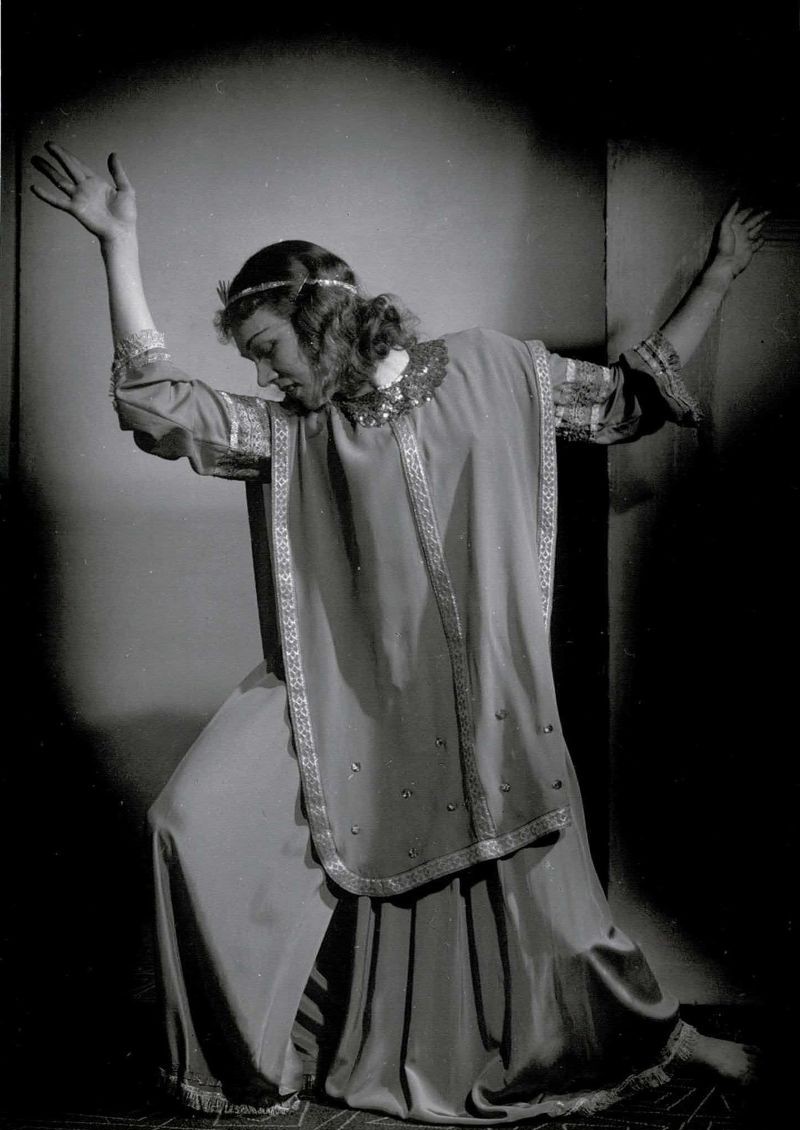
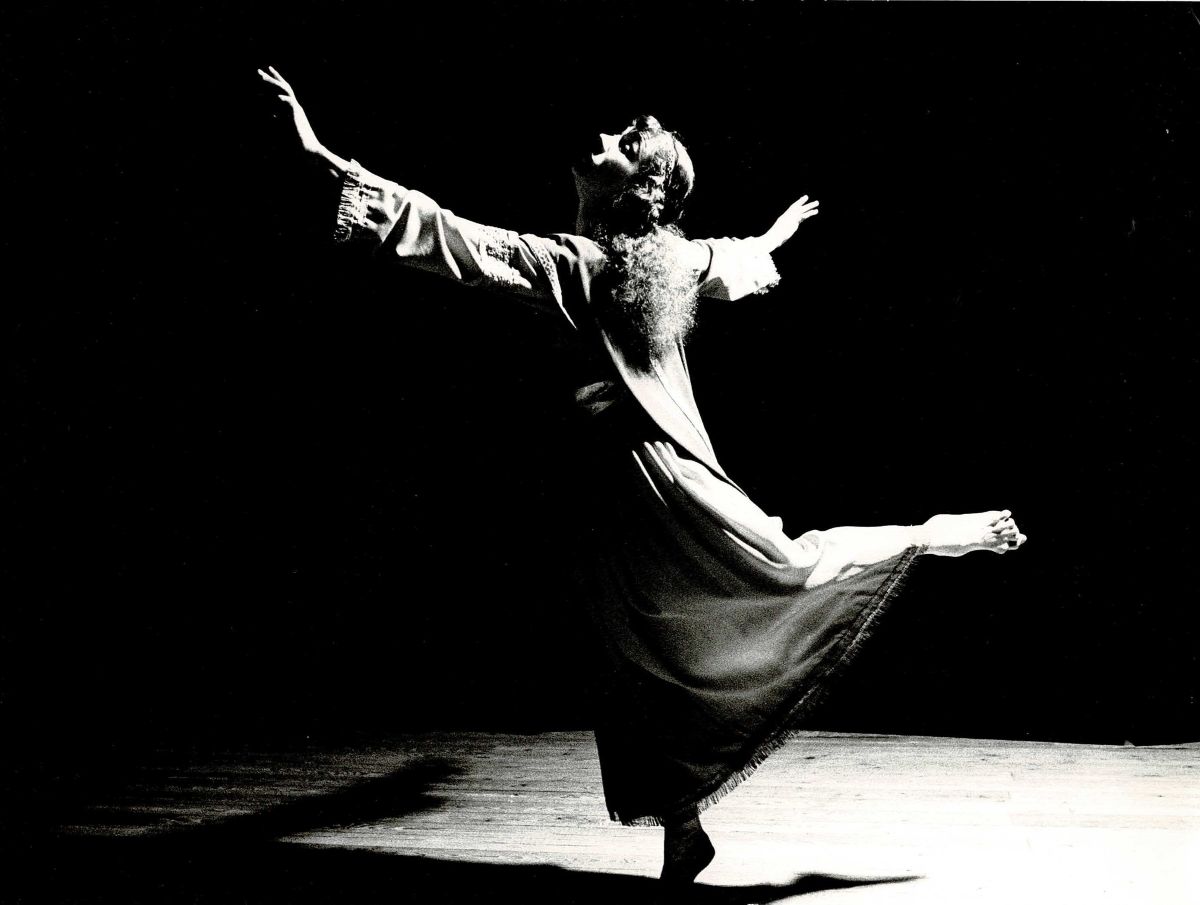
“Choral”, sometimes also performed under the title “Choral (Hommage à Fra Angelico)”, is – as the name suggests – a tribute to the 15th-century Italian painter and Dominican friar Fra Angelico. The piece is danced to music by Johann Sebastian Bach. The choreography was passed on to Marion Junaut by Clotilde and Alexandre Sakharoff, with whom she particularly deepened her knowledge of “free dance”.
The collection makes it possible to trace the creation of the production step by step. Among other things, it includes costume sketches as well as the stage costume made by Marion Junaut herself, which was presumably inspired by the costumes of the artist couple Sakharoff. Black-and-white photographs show Junaut interpreting the piece and provide an impression of how it was brought to life on stage. The choreography was also captured on film and can be viewed online.
The programmes from the dance recitals given by Marion Junaut in Switzerland and abroad document the venues where "Choral" was performed. They demonstrate the widespread reach of the choreography, which was staged for more than twenty years – from 1956 to 1979 – in various cities in Romandy and German-speaking Switzerland, as well as in Siena, Milan, London, Athens, and Paris.
The interplay of the various documents – sketches, costumes, photographs, film, and programmes – makes it possible to trace the development of "Choral" from its creation to its transmission. Linking these individual sources documents both the artistic process and the history of the work.