
Camille Fournier
A box full of secrets
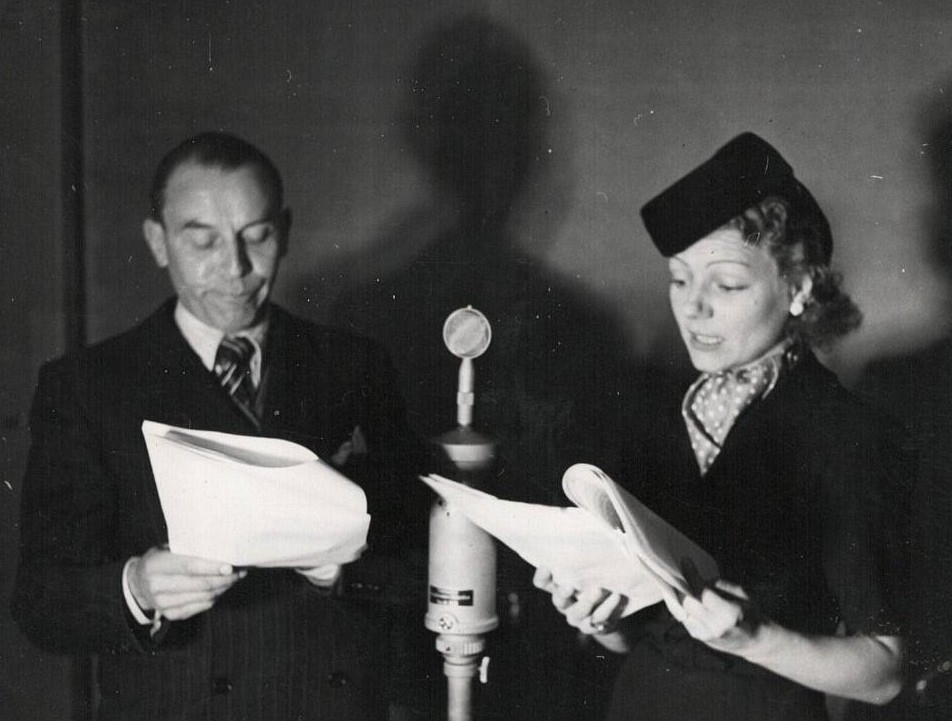
In January 2026, a private individual donated a box to the Cinémathèque suisse containing primarily personal photographs of the Swiss actress Camille Fournier. The person in charge of the non-film collections quickly recognised the significance of this collection for theatre history. He therefore proposed transferring it to the SAPA Foundation, which has the appropriate facilities to preserve and catalog the documents.
However, one question remains unanswered: how did the box come into the donor's possession?
He had found them in the apartment of his late mother. He suspected that either she or his aunt might have taken the photographs while working in home care. To this day, however, there are no documents to confirm this assumption.
The path these photographs took before being handed over to the Cinémathèque suisse and later to SAPA remains partly shrouded in mystery. This uncertainty is itself part of the history of the collection. It shows us that archival materials often have an eventful history behind them before they find their way into an institution: they are passed on, stored in various locations, forgotten, or rediscovered—sometimes decades later.
Reconstructing a history based on clues
When the box arrived at SAPA, it contained loose photographs with very little accompanying information. Cataloguing the collection therefore became a veritable treasure hunt.
First, each individual photograph was carefully analyzed: similarities, set designs, costumes, depicted individuals, and potential handwritten notes on the back served as clues. The aim was to determine which images could be attributed to the same production, period, or shared context.
Some photographs contained valuable clues. Sometimes a name, a title, or a few words on the back were enough to identify a play or film and attribute several pictures to a specific production. Other photographs, however, were not labeled at all or contained only fragmentary information that did not allow for immediate identification.
This is where the actual research work begins: information missing from the documents themselves must be sought in other sources. To do this, photographs can be cross-referenced with databases, theatre programmes, biographies, contemporary press articles, or online sources. A stage design, a costume, a fellow performer, or even the composition of a recording can become the crucial clue that leads to a specific production or venue.
The reconstruction of a career
The collection spans the period from 1922 to 1989 and documents both Camille Fournier’s career and aspects of her private life. It contains nearly 296 black-and-white photographs, including postcard-format prints, as well as press clippings, official documents, and notes. The images show the actress on stage, behind the scenes, and in various costumes, among other things.
Since Camille Fournier spent part of her career in France, working in film and at theatres in Paris in particular, further research could extend beyond the sources available in Switzerland. The Cinémathèque française, the Bibliothèque nationale de France—specifically its performing arts department—and trade press from that era could provide new insights into the productions documented in the collection and the actress's professional career.
From the shoebox to the archive
Following the sorting and inventorying process, the photographs were professionally repacked. Acid-free materials were used, along with sleeves, dividers, and folders specifically developed for long-term storage. The documents were then placed in a numbered archival box and added to the collections of the SAPA Foundation.
Some items were removed from the collection, including duplicate photographs and press clippings, as well as a wood and glass frame.
The search for clues continues
The Camille Fournier collection is open to the public at the SAPA site in Lausanne. The collection is also available online.
However, the search for clues is not yet complete: Where did the photographs come from exactly? Who preserved them before they came into the donor's possession? Who are the people in the hitherto unidentified images? Which productions are hidden behind the as-yet-unattributed pictures? And are there any further documents in Switzerland or France that could help complete this story?
Perhaps future research will provide answers to these questions.
Because preserving an archive also means keeping its unresolved questions alive – and giving future generations the opportunity to continue the search for clues.